Commuter Weather Defense
Arriving at the office soaked to the bone is an unacceptable failure in logistics. True weather defense requires understanding hydrostatic head ratings and breathability metrics.
Decoding Waterproof Ratings
Not all "waterproof" jackets are created equal. The industry standard is the Hydrostatic Head (HH) test, measured in millimeters.
- 0 - 5,000mm: Water resistant. Will survive light drizzle. Fails rapidly under pressure (e.g., wearing a heavy backpack).
- 10,000mm - 15,000mm: Standard waterproof. Good for steady rain.
- 20,000mm+: Tactical level. Gore-Tex Pro and equivalent membranes. Capable of withstanding driving monsoon conditions and prolonged exposure.
Crucially, if the seams are not taped, the fabric's rating is irrelevant. Water will find the needle holes. Insist on 100% factory-taped seams.
The Breathability Equation
A plastic trash bag is 100% waterproof, but you will emerge from it drenched in your own sweat. Breathability is measured in grams per square meter (g/m²) of moisture vapor transmission over 24 hours. A high-output commute involving brisk walking to the station demands a rating of at least 15,000g/m².
Look for jackets with mechanical venting—pit zips. No fabric can dump heat as effectively as simply opening a zipper under your arms.
DWR (Durable Water Repellent) Maintenance
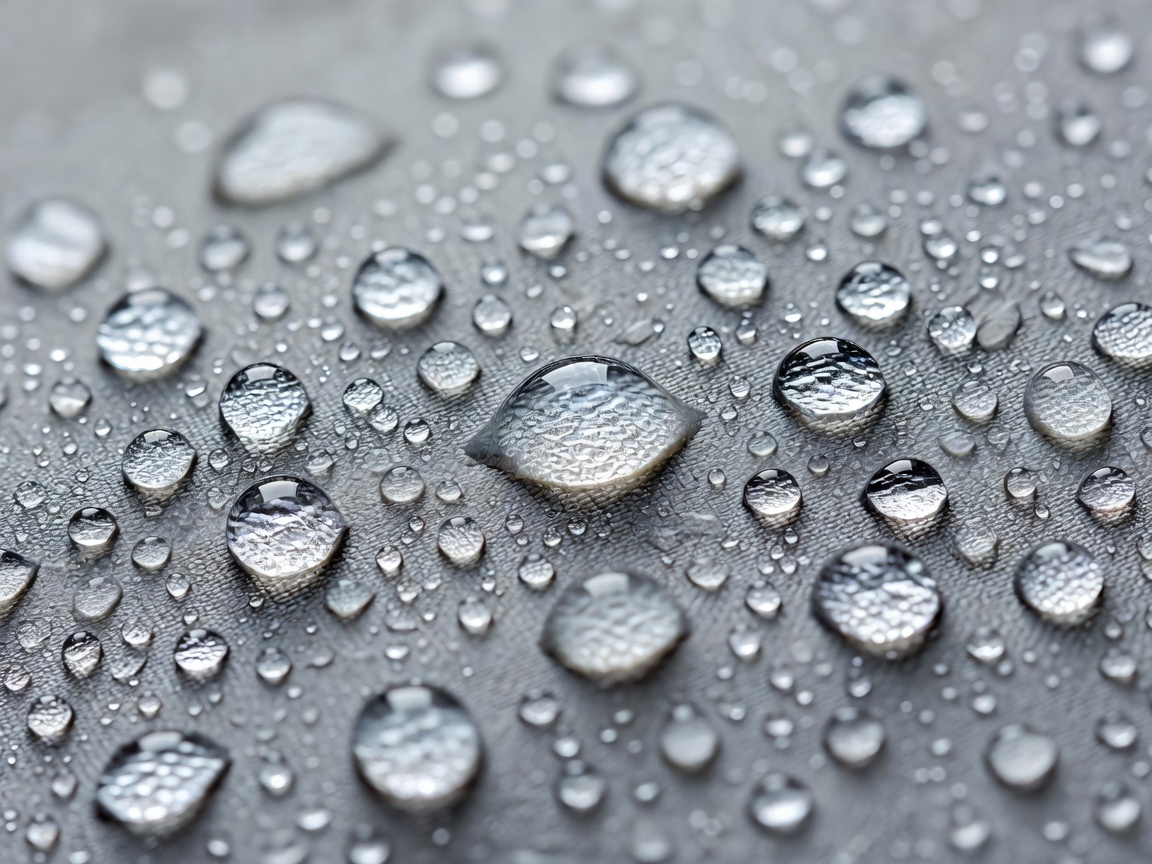
That magic effect where water beads up and rolls off a new jacket? That is the DWR chemical coating, not the waterproof membrane itself. When the DWR wears off from abrasion (like your backpack straps rubbing against your shoulders), the face fabric "wets out," blocking breathability and causing condensation inside the jacket.
Commuters must actively maintain their gear. Washing with specialized tech-washes and heat-treating (via tumble dryer or cool iron) is mandatory to reactivate the DWR lattice structure.